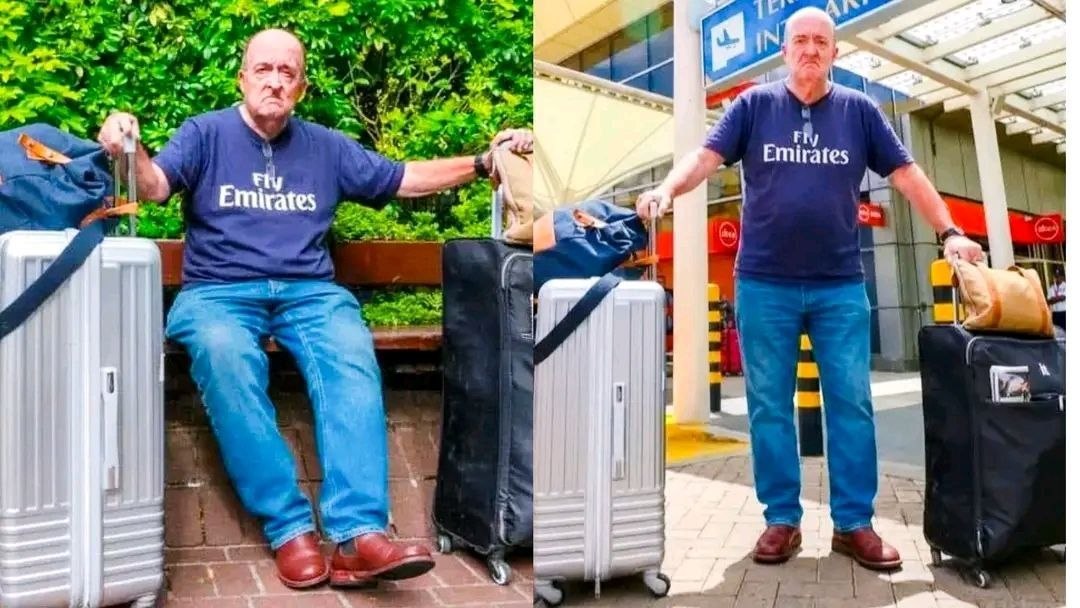
A retired United Nations humanitarian official who spent decades coordinating aid logistics across the Horn of Africa has been left near-destitute after falling prey to a highly coordinated Kenyan romance scam that cost him his entire life savings of over KSh 14.8 million (£85,000). Rodrick Lodge, whose professional career was built on navigating complex international crises, found himself deeply vulnerable following the death of his wife of 34 years in 2019. The emotional void left by his loss made him the primary target for a multi-layered financial trap engineered by syndicates operating within Nairobi’s sophisticated cyber-fraud ecosystem.
The deception began subtly when Lodge reconnected online with an acquaintance named Mary, a woman he had interacted with during his previous official deployments to Kenya. After re-establishing contact and gaining his trust, Mary introduced him to a second woman named Anita, who was presented to Lodge as a successful managing director of a prominent beauty products enterprise in Nairobi. Over months of intense long-distance communication, a close intimate relationship developed, with Anita eventually convincing Lodge to invest heavily in a four-bedroom residential property she claimed to own. To validate the financial requests, the fraudsters sent meticulously staged photographs of ongoing home renovations, convincing Lodge that he was actively building a future marital home.
Driven by the promise of a fresh start, Lodge made the irreversible decision to liquidate his assets in the United Kingdom, selling his family home and emptying his retirement savings. In July 2024, he boarded a flight to Nairobi with the expectation of marrying Anita and settling permanently in Kenya. Upon landing at Jomo Kenyatta International Airport, however, the digital facade completely evaporated, and Anita was nowhere to be found. When Mary attempted to prolong the ruse by claiming Anita’s father had been suddenly hospitalized in a critical condition, Lodge utilized his historical United Nations connections to quietly verify the medical admission with local hospitals, only to discover that the patient, the corporate entity, and the identity of the woman he trusted were entirely fabricated.
Stranded in Nairobi with no remaining capital for hotel accommodation or a return flight to London, Lodge was forced to rely on the hospitality of a lone acquaintance who offered him temporary shelter in Kitengela, Kajiado County. Recognizing his desperate situation, a network of his former international humanitarian colleagues eventually launched an informal fundraising appeal to secure him an economy ticket back to the UK. But returning to Britain offered no immediate relief; having already sold his primary property, Lodge arrived back home entirely displaced, spending several nights sleeping on the floor of Heathrow Airport before cycling through various emergency homeless shelters.
Today, the former diplomat lives in heavily subsidized rented accommodation in the UK, his lifestyle reduced to absolute survival. After his monthly rent is deducted from his standard pension allocation, he is frequently left with just £20 (approximately KSh 3,500) to cover his food, utilities, and basic necessities for the entire month. Security experts in Nairobi note that Lodge’s case highlights a dangerous trend where transnational fraud syndicates deliberately profile aging, widowed, or isolated expatriates who hold deep sentimental ties to East Africa, turning their past professional familiarity with the region into a weapon for catastrophic financial extraction.

Culture is constantly shifting, and the art we create defines who we are. I love documenting the creative energy, music, and digital trends that shape our modern identity.