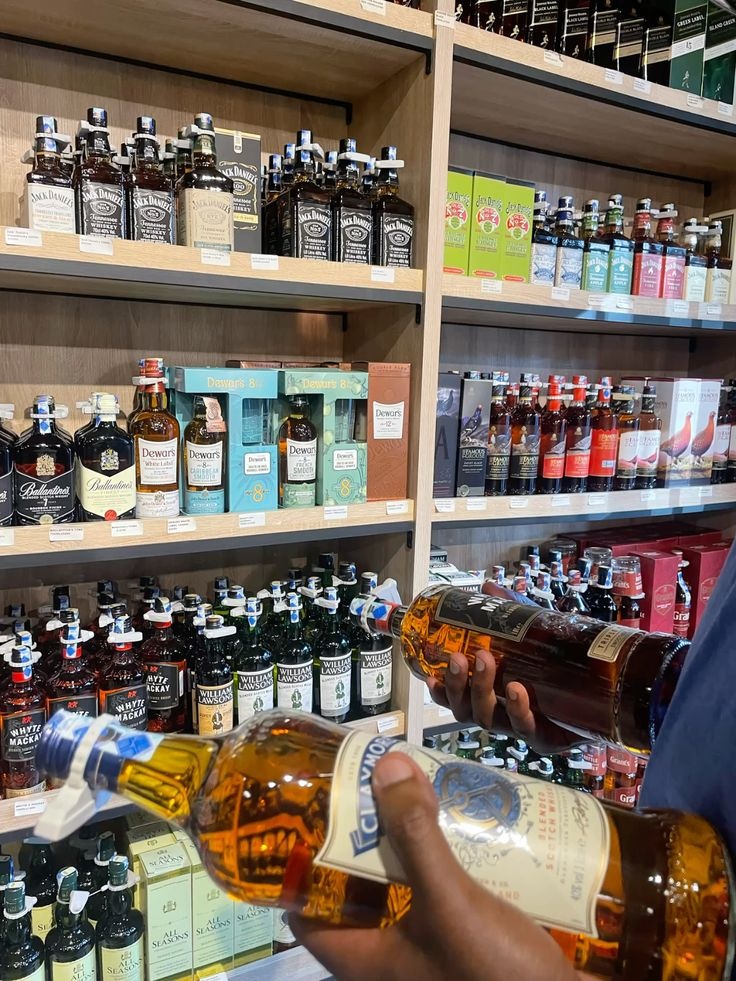
The global beverage industry is facing a massive financial blow as Generation Z systematically moves away from traditional drinking habits. According to Bloomberg market data, about 50 of the world’s largest listed alcohol companies were trading roughly 46 percent below their June 2021 peak by October 2025. This sharp decline has wiped out more than $830 billion in market value, equivalent to a staggering KSh 107.4 trillion, signaling a major structural shift in how young people socialize and spend their money.
The core of this market crash lies in a massive spending gap between generations. Recent industry figures reveal that Gen Z households are spending about 87 percent less on alcohol compared to millennial households. Currently, estimated alcohol sales for Gen Z stand at just $3.1 billion (KSh 401 billion) globally. In stark contrast, millennials drive more than $23 billion (KSh 2.98 trillion) in sales. This data suggests the trend is not a temporary economic dip, but a clear rejection of the drinking culture that previously sustained these global brands.
Several distinct factors are driving this generational change. Lower disposable incomes and a tough economy mean young adults simply have less money to spend on expensive nights out. Beyond the finances, there is a clear lifestyle shift. Gen Z is participating in fewer social drinking occasions, often choosing entertainment, networking, and socializing options that do not revolve around alcohol. Growing health awareness is also playing a significant role, as younger consumers increasingly prioritize their mental and physical well-being over heavy drinking.
Faced with a shrinking core market, alcohol giants are being forced to adapt quickly to survive. Many companies are drastically cutting operational costs to manage the ongoing financial losses. At the same time, they are aggressively expanding into the alcohol-free market, investing heavily in zero-proof spirits, mocktails, and non-alcoholic beers to capture this sober-curious demographic. The global drinks industry must now figure out how to remain profitable while catering to a generation that simply does not view alcohol as a necessity for a good time.
How are local bars and entertainment spots in your area adjusting to this shift in youth spending habits?

Numbers tell a story, but only if you know how to listen to them. I focus on making sense of the shifting economy, keeping track of where the money goes and how it impacts daily lives.