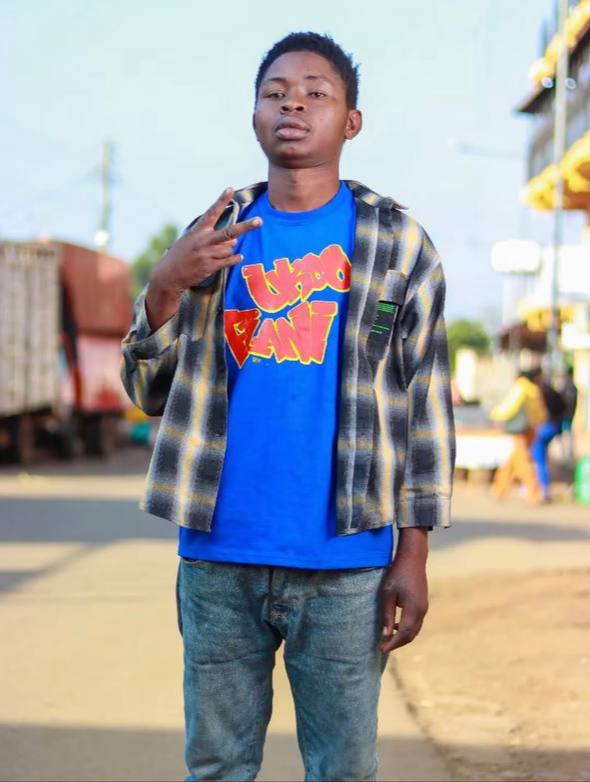
NAIROBI, Kenya — Kenyan musician Edgar Waititu, who catapulted to national fame under the stage name Stoopid Boy, was found dead on Thursday, August 27, 2026, at his mother’s home in Gotta City, Nairobi. He was 20 years old.
The passing of the Arbantone rapper, best known for his 2024 breakout hit “G Baga Jat,” was confirmed by close associates, including fellow artists Raveen Domi and Jay Classic, as well as media personality Oga Obinna.
While official police and post-mortem reports remain pending, Domi and other local residents have publicly indicated that suicide is suspected. The tragic development comes just two months after Waititu publicly mourned the death of his older brother, Ian, in May 2026.
Speaking from Gotta City as residents gathered to mourn, Domi recounted his final interaction with the rapper on Wednesday. “He was fine just yesterday. We were hanging out on the streets, and he told me he was heading to the studio to continue recording,” Domi stated, noting that Waititu had asked him for Sh25 during the brief exchange.
Waititu became a central figure in Kenya’s rapidly evolving urban music scene when “G Baga Jat” (widely referred to as “G Bag Na Jug”) went viral. Built over a classic Christopher Birch dancehall riddim, the track became a foundational anthem for the Arbantone movement—a subgenre fusing Jamaican reggae influences with Nairobi street slang. The record’s explosive popularity resulted in a high-profile remix featuring mainstream acts Mejja, Breeder LW, Gody Tennor, and Spoiler.
Despite his digital streaming success, Waititu struggled to translate viral fame into financial stability. Remaining in Riverbank, an informal settlement near Gotta City, he documented his economic realities through a social media series titled Life After Fame.
The pressures of sudden visibility exacerbated his personal challenges. In early 2025, Waititu publicly acknowledged a severe battle with alcohol and substance dependency. With financial intervention orchestrated by Oga Obinna and other industry well-wishers, he completed a three-month residential rehabilitation program. Upon release, he openly expressed a desire to embrace his faith and rebuild his career, subsequently releasing street-focused tracks such as “Gangster Lover” and “Sangwangwa”.
However, his transition out of rehabilitation proved difficult. By mid-2025, the rapper voiced frustration over what he described as broken promises of industry support and ongoing mental health struggles as he navigated the realities of returning to the same economic environment in Gotta City.
Waititu’s death highlights a critical vulnerability within Kenya’s creator economy. As digital platforms increasingly bypass traditional record labels to elevate talent directly from informal urban settlements, young artists frequently encounter massive public exposure without the financial infrastructure, mental health resources, or management required to sustain it.
Authorities at the local precinct have yet to issue a formal statement regarding the ongoing investigation into the circumstances of his death.

Culture is constantly shifting, and the art we create defines who we are. I love documenting the creative energy, music, and digital trends that shape our modern identity.